India Approves Its First QDENGA Dengue Vaccine
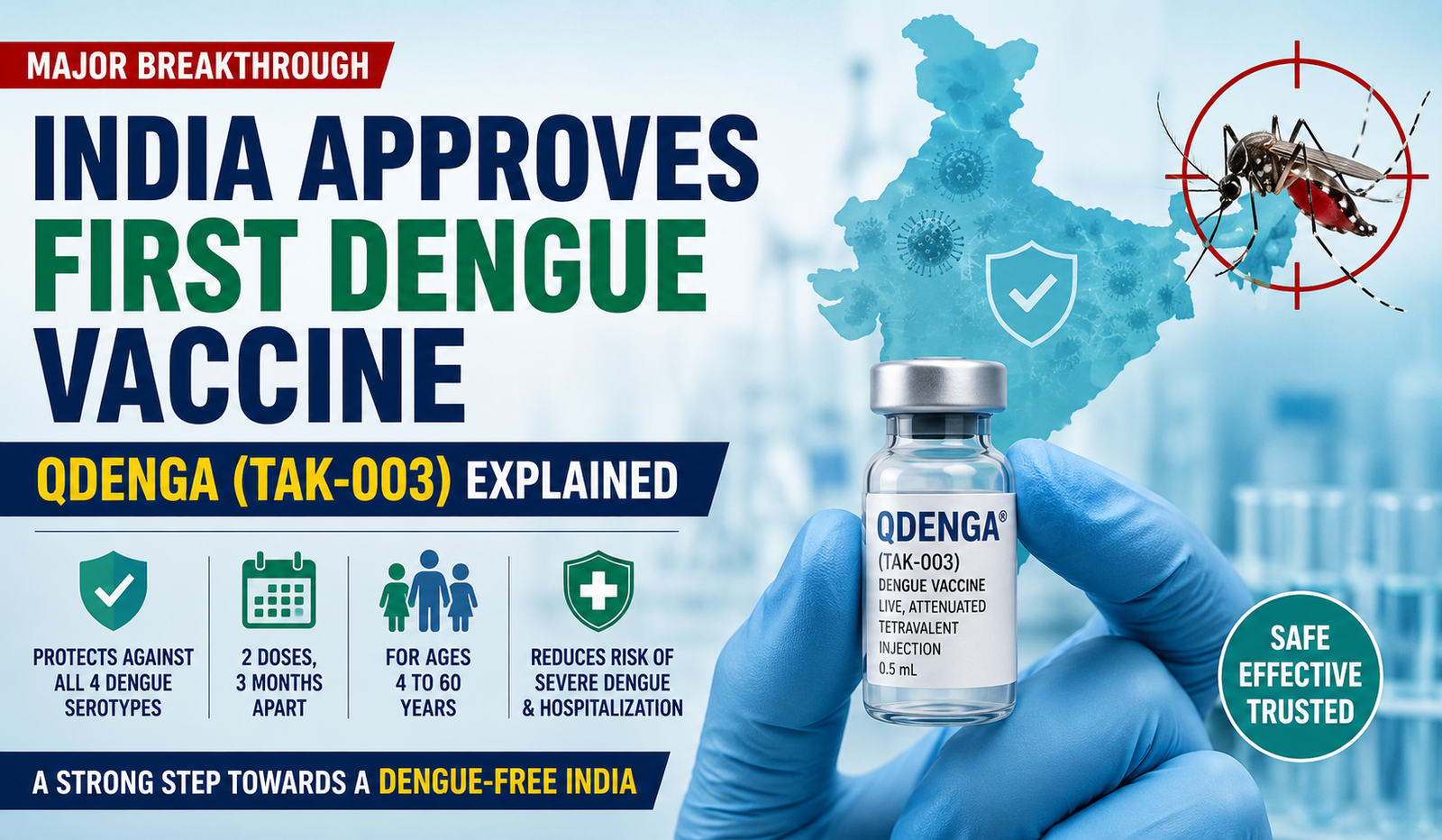
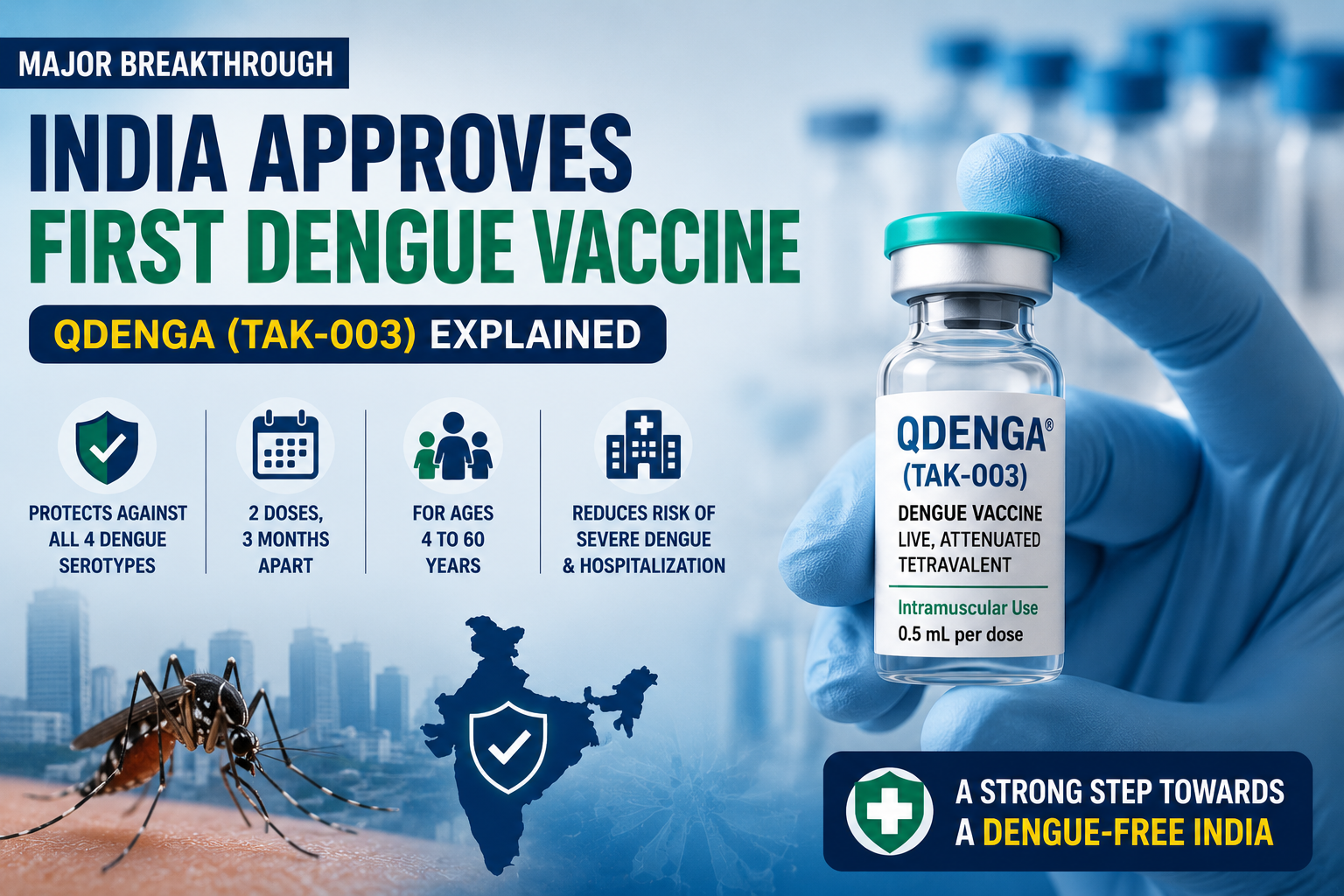
India has taken a major step in the fight QDENGA Dengue Vaccine(TAK-003), the country’s first approved dengue vaccine. The vaccine has been developed by Takeda Biopharmaceuticals and received approval from India’s drug regulator for people aged 4 to 60 years. It is designed to protect against all four known dengue virus types, making it an important development for public health.
The approval comes at a time when dengue cases continue to rise in many parts of India, especially during the monsoon season. Health experts believe vaccination, along with mosquito control and public awareness, could help reduce severe illness and hospitalizations.
What Is QDENGA?
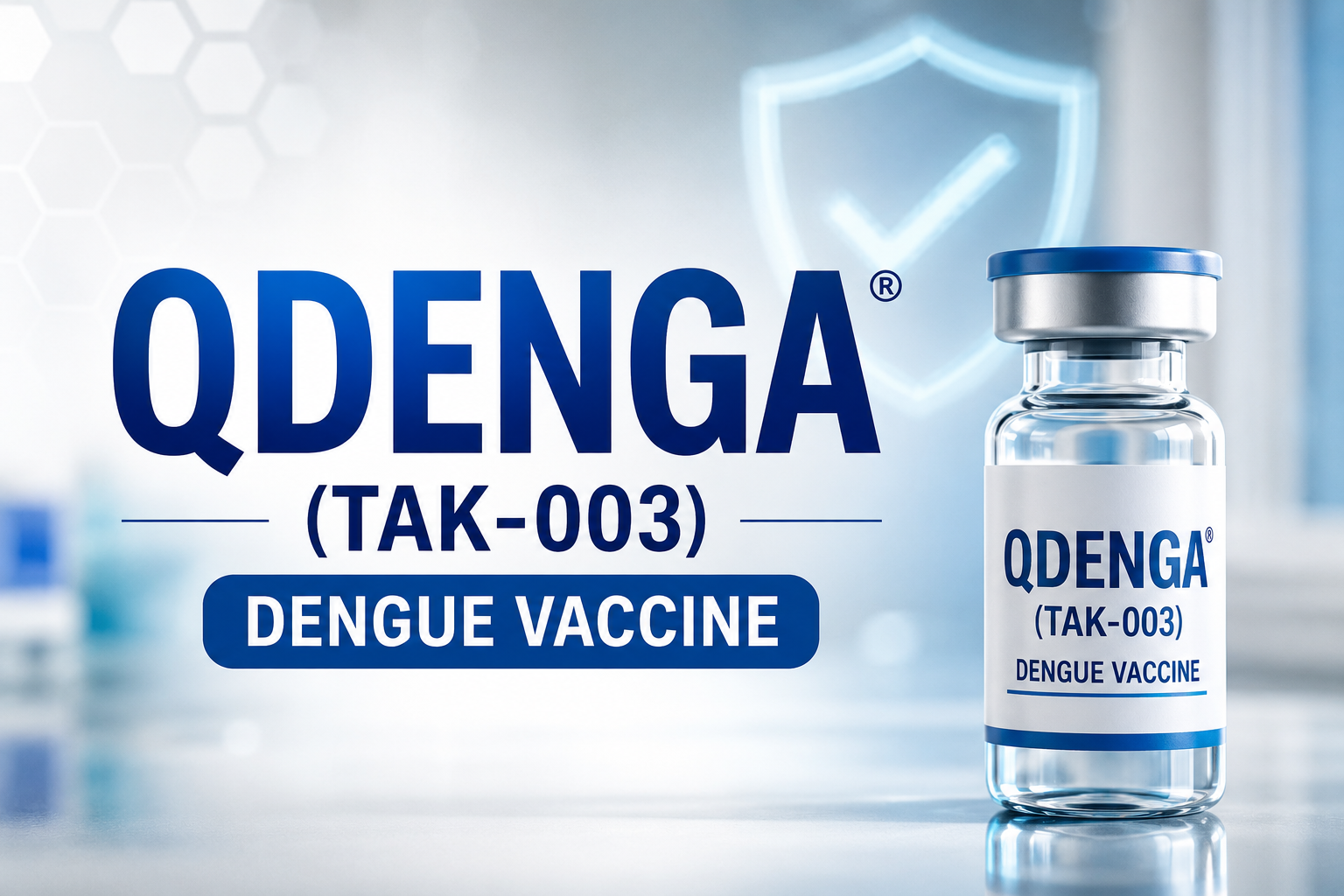
QDENGA, also known as TAK-003, is a live attenuated tetravalent dengue vaccine.
“Tetravalent” means the vaccine is designed to protect against all four dengue virus serotypes:
- DENV-1
- DENV-2
- DENV-3
- DENV-4
This is important because recovering from one type of dengue does not provide protection against the other three. A second infection with a different serotype can sometimes lead to more severe disease.
Why Is This Approval Important?
QDENGA Dengue Vaccine is one of India’s fastest-growing mosquito-borne diseases.
Every year, lakhs of people are infected during the monsoon season. While many patients recover with proper treatment, severe dengue can lead to bleeding, shock, organ damage, and even death if medical care is delayed.
Until now, India did not have an approved dengue vaccine for widespread use. The approval of QDENGA marks an important milestone in strengthening dengue prevention efforts.
Who Can Receive the Vaccine?
According to the approval, QDENGA can be given to individuals:
- 4 years to 60 years of age
Unlike some earlier dengue vaccines, QDENGA does not require people to undergo testing to confirm a previous dengue infection before vaccination, making its use simpler.
How Does QDENGA Dengue Vaccine Work?
The vaccine contains weakened forms of the dengue virus.
After vaccination, the body’s immune system recognizes these weakened viruses and produces protective antibodies.
If the vaccinated person is later exposed to the real dengue virus, the immune system can respond more effectively.
The vaccine is designed to reduce the risk of severe dengue and hospitalization, though it does not guarantee complete protection against every infection.
 Benefits of QDENGA
The approval of QDENGA offers several potential benefits.
Protection Against Four Virus Types
The vaccine targets all four dengue serotypes.
Reduced Risk of Severe Illness
Clinical studies have shown that it can significantly reduce the risk of severe dengue and dengue-related hospitalization.
No Pre-Vaccination Screening
People do not need laboratory confirmation of a previous dengue infection before receiving the vaccine.
Public Health Impact
Wider vaccination could help reduce the burden on hospitals during seasonal outbreaks.
Is the Vaccine 100% Effective?
Is the Vaccine 100% Effective?
No vaccine provides complete protection.
Health experts emphasize that QDENGA can reduce the risk of severe disease and hospitalization, but vaccinated individuals should still protect themselves from mosquito bites.
Using mosquito repellents, wearing full-sleeved clothes, sleeping under mosquito nets, and preventing stagnant water remain important preventive measures.
Possible Side Effects
Like most vaccines, QDENGA may cause mild side effects in some people.
Common side effects may include:
- Pain at the injection site
- Mild fever
- Headache
- Muscle pain
- Tiredness
These symptoms usually improve within a short period.
Anyone experiencing severe reactions should immediately seek medical advice.
Why Dengue Is Difficult to Control
Unlike many viral diseases, dengue has four different virus strains.
A person who recovers from one strain can still become infected by another strain later.
This is one reason why developing an effective dengue vaccine has been scientifically challenging.
QDENGA has been specifically developed to provide protection across all four serotypes.
India’s Growing Dengue Challenge
Dengue continues to be one of India’s biggest public health concerns. Every year, especially during the monsoon and post-monsoon seasons, thousands of people are diagnosed with dengue fever.
Rapid urbanization, climate change, waterlogging, and poor waste management have created favorable conditions for the Aedes aegypti mosquito, the primary carrier of the dengue virus.
Health experts believe that while awareness campaigns and mosquito control have helped reduce outbreaks in some areas, the number of infections remains high in many states. This is why the approval of a dengue vaccine is considered a significant milestone.
How Can QDENGA Help India?
The approval of QDENGA is expected to strengthen India’s dengue prevention strategy.
Some of the expected benefits include:
Lower Risk of Severe Dengue
The vaccine is designed to reduce the chances of developing severe dengue, one of the leading causes of hospitalization during outbreaks.
Reduced Hospital Burden
Every year, hospitals experience a large number of dengue patients during peak season.
If vaccination becomes widely available, the number of severe cases requiring hospitalization may decrease.
Better Protection for Vulnerable Communities
People living in dengue-prone areas could benefit from additional protection along with mosquito control measures.
Who Should Consult a Doctor Before Taking the Vaccine?
Although the vaccine has been approved, it may not be suitable for everyone.
Individuals should consult a healthcare professional if they:
- Have a weakened immune system.
- Are undergoing treatment for serious medical conditions.
- Are pregnant or planning pregnancy.
- Have severe allergies to vaccine ingredients.
- Are currently suffering from high fever or an acute illness.
Doctors will evaluate each person’s medical history before recommending vaccination.
Global Use of QDENGA Dengue Vaccine
QDENGA is not limited to India.
The vaccine has already been approved in several countries and regions, including parts of Europe, Asia, and Latin America, after regulatory reviews of its safety and effectiveness.
Its approval in India adds another major country to the list where the vaccine can be used as part of dengue prevention efforts. (ema.europa.eu)
Can Vaccination Alone Stop Dengue?
The answer is No.
Health experts emphasize that vaccination should be combined with other preventive measures.
People should continue to:
- Remove stagnant water around homes.
- Use mosquito repellents.
- Wear full-sleeved clothing.
- Install window screens where possible.
- Sleep under mosquito nets if needed.
- Keep water storage containers covered.
Community participation remains essential for controlling mosquito breeding.
Government’s Role in Dengue Prevention
Along with vaccination, governments and local authorities continue to focus on:
- Mosquito surveillance programs.
- Public awareness campaigns.
- Fogging in high-risk areas.
- Cleanliness drives.
- Early diagnosis and treatment.
- Improved reporting of dengue cases.
Public health experts believe that combining these efforts with vaccination could significantly reduce the impact of future outbreaks.
What Does This Mean for Families?
For many families, dengue treatment can become expensive, especially if hospitalization is required.
The availability of an approved vaccine may provide an additional layer of protection and could reduce both health risks and treatment costs over time.
Parents, particularly in dengue-prone areas, may now have another preventive option after consulting healthcare professionals.
 Challenges Ahead
While the approval is an important achievement, several challenges remain.
These include:
- Making the vaccine widely available.
- Ensuring affordability.
- Creating public awareness.
- Expanding vaccination programs.
- Monitoring long-term effectiveness.
Experts believe these challenges can be addressed through coordinated efforts by healthcare authorities and policymakers.
Frequently Asked Questions (FAQs)
Q1. What is QDENGA?
QDENGA (TAK-003) is a dengue vaccine developed by Takeda to provide protection against all four dengue virus serotypes.
Q2. Who can receive the vaccine?
It has been approved in India for individuals aged 4 to 60 years. (reuters.com)
Q3. How many doses are required?
The vaccine is given in two doses, with the second dose administered three months after the first.
Q4. Does the vaccine provide complete protection?
No. It helps reduce the risk of severe dengue and hospitalization, but people should still follow mosquito prevention measures.
Q5. Can people who never had dengue take QDENGA?
Yes. Unlike some earlier dengue vaccines, QDENGA does not require prior confirmation of a previous dengue infection before vaccination. (indiatoday.in)
Final Thoughts
India’s approval of QDENGA, the country’s first approved dengue vaccine, marks a significant step in the fight against one of the nation’s most common mosquito-borne diseases.
Although vaccination alone cannot eliminate dengue, it adds an important preventive tool alongside mosquito control, public awareness, and timely medical care.
As the vaccine becomes available, healthcare professionals and public health authorities will play a key role in guiding eligible individuals about its safe and effective use.
For now, people should continue following preventive measures while relying on official medical advice regarding vaccination.